
















If you’re struggling with sleep, feeling anxious, dealing with muscle cramps, or just can’t seem to shake that constant fatigue, there’s a good chance you’re magnesium deficient.
And you’re not alone.
Studies suggest that nearly half of all Americans don’t get enough magnesium from their diet. This isn’t just a minor nutritional gap. Magnesium is essential for health and is necessary for over 1,000 enzymatic reactions in the body. That’s not a typo—one thousand.
From energy production to muscle function, from nerve signaling to bone health, magnesium is involved in virtually every critical process your body performs. Without adequate magnesium, your body simply can’t function optimally.
And the consequences? They’re more serious than most people realize.
Why Magnesium Matters More Than You Think
Magnesium is often called the “master mineral” because of its far-reaching effects throughout the body. Here’s what it does:
- Regulates muscle and nerve function – Prevents cramps, spasms, and tension
- Supports energy production – Essential for ATP (your cells’ energy currency)
- Maintains healthy blood pressure – Relaxes blood vessels and supports cardiovascular health
- Builds strong bones – Works with calcium and vitamin D for bone density
- Regulates blood sugar – Improves insulin sensitivity
- Calms the nervous system – Reduces anxiety and promotes relaxation
- Supports deep, restorative sleep – Activates the parasympathetic nervous system
Despite all this, magnesium deficiency is shockingly common—and often goes undiagnosed.
The Hidden Epidemic: Who’s at Risk?
Certain groups are at particularly high risk for magnesium deficiency:
Cancer Patients Receiving Chemotherapy
Patients receiving chemotherapy are at extremely high risk of magnesium deficiency. Chemotherapy drugs, particularly platinum-based agents like cisplatin, can cause severe magnesium wasting through the kidneys. Studies show that up to 90% of patients receiving certain chemotherapy regimens develop hypomagnesemia, which can lead to muscle weakness, cardiac arrhythmias, and neurological complications.
Source: https://www.ncbi.nlm.nih.gov/pmc/articles/PMC6683096/
Other High-Risk Groups:
- People with digestive disorders (Crohn’s disease, celiac disease, chronic diarrhea)
- Those taking certain medications (diuretics, proton pump inhibitors, antibiotics)
- Individuals with type 2 diabetes
- Older adults (absorption decreases with age)
- People under chronic stress (stress depletes magnesium rapidly)
- Those consuming a standard American diet (low in magnesium-rich whole foods)
If you fall into any of these categories, you need to be especially mindful of your magnesium intake.
The Best Food Sources of Magnesium
One of the best ways to increase magnesium levels is to consume magnesium-rich foods throughout the day.
Highest in Magnesium: Leafy Green Vegetables
- Spinach
- Kale
- Collard greens
- Bok choy
- Broccoli
- Swiss chard
Other Excellent Sources:
- Nuts and seeds (pumpkin seeds, almonds, cashews, sunflower seeds)
- Fish (salmon, mackerel, halibut)
- Beans and legumes (black beans, kidney beans, chickpeas)
- Avocados
- Figs
- Bananas
- Yogurt, cheese, and milk
- Cacao (dark chocolate)
Eating a variety of these foods daily can help you maintain healthy magnesium levels naturally.
When Food Isn’t Enough: Magnesium Supplementation
Even with a healthy diet, many people still struggle to get adequate magnesium. Soil depletion, stress, medications, and health conditions can all interfere with magnesium absorption and retention.
That’s where supplementation comes in.
But here’s the catch: Not all magnesium supplements are created equal.
Common Magnesium Supplement Forms:
Magnesium Glycinate
- Bound to the amino acid glycine
- Least likely to cause diarrhea
- Highly absorbable
- Best for sleep, anxiety, and muscle relaxation
- Gentle on the digestive system
Magnesium Citrate
- Bound to citric acid
- Well absorbed
- Mild laxative effects (can be helpful for constipation)
- May cause loose stools in higher doses
Magnesium Carbonate
- Good for those with acid reflux
- Acts as an antacid
- Less bioavailable than other forms
- Can help with digestive discomfort
Important Note: Taking too much magnesium—especially in poorly absorbed forms—can actually cause problems. Excess magnesium that isn’t absorbed properly can lead to diarrhea, nausea, and in extreme cases, can interfere with the absorption of other minerals.
The key is finding a form that’s highly bioavailable, gentle on your system, and effective at the cellular level.
The Next Generation: Peptide-Powered Magnesium
This is where things get interesting.
Traditional magnesium supplements bind magnesium to single compounds like glycine, citrate, or oxide. But what if you could get multiple forms of magnesium in a single, highly absorbable formula?
Enter peptide-powered magnesium.
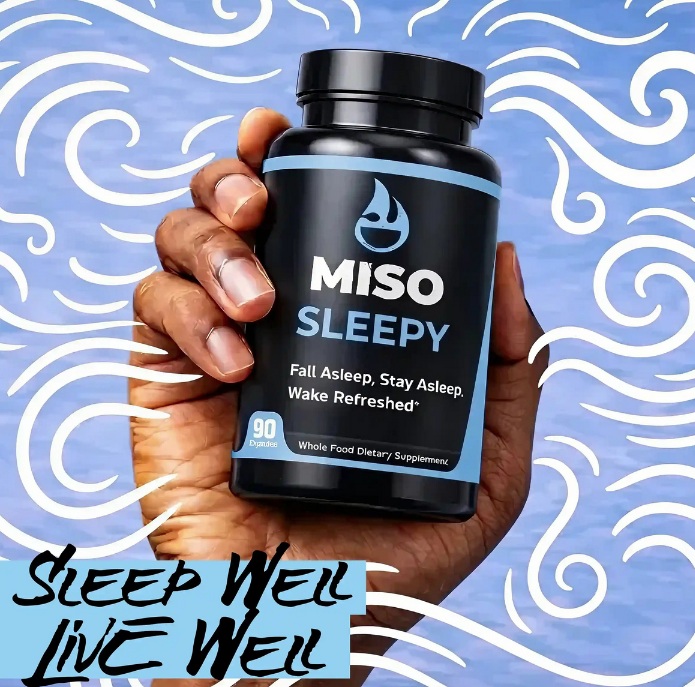
Miso Sleepy is made with organic ingredients and features a unique peptide-powered magnesium containing 18+ unique forms of magnesium bound to spirulina. This isn’t just one type of magnesium—it’s a full spectrum of magnesium compounds naturally chelated to spirulina peptides for superior absorption.
Why This Matters:
Spirulina-Bound Magnesium:
- 18+ forms of magnesium in one bioavailable source
- Naturally chelated to peptides for enhanced absorption
- Gentle on the digestive system (no laxative effect)
- Works at the cellular level to support:
- Muscle relaxation
- Nervous system calm
- Deeper, more restorative sleep
This is a game-changer for people who need magnesium but struggle with digestive side effects from traditional supplements.
Why Miso Sleepy Is Different
Most sleep supplements rely on high doses of melatonin to knock you out. The problem? That’s not real sleep support—it’s sedation.
Melatonin can leave you groggy, create dependency, and doesn’t address the root causes of poor sleep: stress, muscle tension, and nervous system dysregulation.
Miso Sleepy works differently.
Miso Sleepy Differentiators:
- Not a melatonin-heavy knockout formula
- Works with your body, not against it
- No grogginess, no dependency
- Built for recovery, not sedation
- Whole-food + clinically studied stack
The Complete Formula:
Peptide-Powered Magnesium (Spirulina-Bound)
Relaxes muscles and nervous system, supports deeper, more restorative sleep
Organic KSM-66® Ashwagandha
Clinically proven to reduce stress by 44% and lower cortisol levels
Study: https://pubmed.ncbi.nlm.nih.gov/23439798/
L-Theanine
Promotes mental calm without drowsiness, helps your brain “turn off”
Regenerative Organic Certified® Garbanzo Bean Miso
A fermented superfood that supports emotional balance and deep rest
This isn’t just a sleep aid. It’s a full-body reset that addresses the root causes of poor sleep: stress, tension, and nervous system imbalance.
The Bottom Line
Magnesium deficiency is a silent epidemic affecting millions of Americans. It contributes to poor sleep, chronic stress, muscle tension, anxiety, and a host of other health issues.
While eating magnesium-rich foods is essential, supplementation is often necessary—especially for those under chronic stress, dealing with health conditions, or simply not getting enough from diet alone.
But not all magnesium supplements are created equal.
Peptide-powered magnesium offers a superior, whole-food approach, delivering 18+ forms of magnesium in a highly absorbable, gentle formula. Combined with clinically studied adaptogens like KSM-66® Ashwagandha, L-Theanine, and fermented miso, Miso Sleepy provides comprehensive support for stress, sleep, and recovery.
If you’re tired of being tired, stressed, and unable to get the deep, restorative sleep your body desperately needs, it’s time to address the magnesium gap.
👉Discover Miso Sleepy and experience the difference peptide-powered magnesium can make🌙
References:
- Magnesium in disease prevention and overall health
https://www.ncbi.nlm.nih.gov/pmc/articles/PMC5637834/ - Magnesium deficiency in cancer patients receiving chemotherapy
https://www.ncbi.nlm.nih.gov/pmc/articles/PMC6683096/ - KSM-66 Ashwagandha reduces stress and anxiety by 44%
https://pubmed.ncbi.nlm.nih.gov/23439798/ - Magnesium and sleep quality
https://www.ncbi.nlm.nih.gov/pmc/articles/PMC3703169/ - Dietary magnesium intake and the risk of cardiovascular disease
https://www.ncbi.nlm.nih.gov/pmc/articles/PMC6683096/








Leave a Reply