














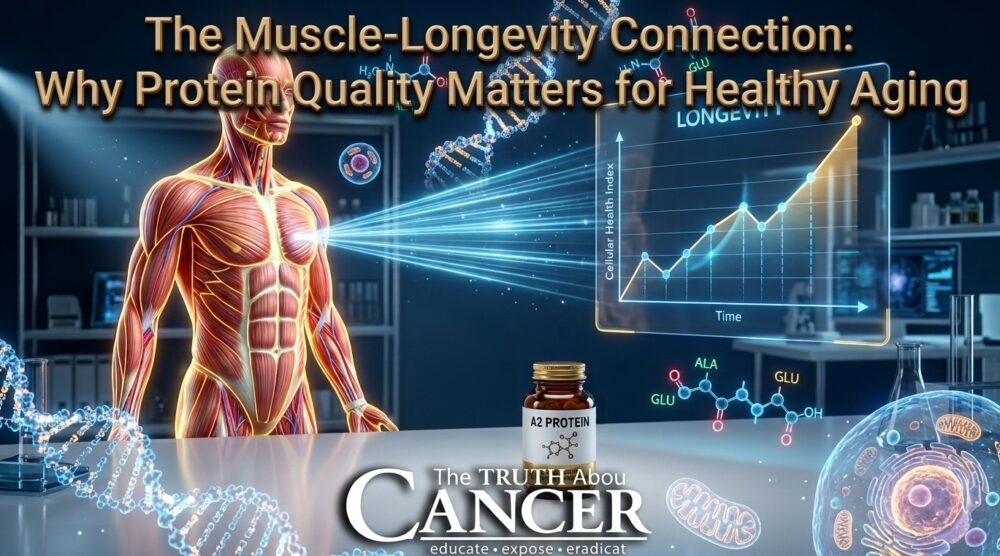
We’re living longer than ever before, but a crucial question remains: are we living better? As the global population ages, maintaining health and independence into our later years has become a paramount concern. The answer may lie in something as fundamental as the food we eat and the strength of our muscles. Emerging research suggests that preserving muscle mass is a cornerstone of healthy aging, and the type of protein we consume—specifically, A2 protein—could play a significant role in this process.
The Science of Muscle: The Key to Longevity
Skeletal muscle is far more than just a tool for movement; it is increasingly recognized as a central organ of health. Age-related decline in muscle mass and function, known as sarcopenia, is a major contributor to increasing morbidity, mortality, and loss of functional independence in the aging population. When muscle mass dwindles, the risk of falls and fractures rises, and the body’s ability to regulate metabolism and fight chronic inflammation declines.
The link between muscle and longevity is underscored by the discovery of proteins like SIRT5. Researchers have identified SIRT5 as a “longevity protein” that can hold the key to delaying age-related muscle decline. Studies show that SIRT5 mitigates skeletal muscle aging by blocking pro-inflammatory pathways. Reversing its decline in aged models has been shown to improve strength, enlarge muscle fibers, and reduce inflammation, effectively “rejuvenating” muscle.
This connection is so profound that researchers are investigating how to harness naturally occurring compounds to mimic the muscle-preserving effects of exercise, potentially offering new therapies to combat biological aging. For example, compounds like Cinnamtannin A2 have been shown to promote hypertrophy while inhibiting the progression of muscle atrophy in animal models.
The Power of Protein: Fuel for Muscle Maintenance
How do we support this vital system? The answer is protein. Dietary protein provides the essential building blocks—amino acids—our bodies need to maintain and build muscle tissue. A substantial body of research confirms that higher protein intake is positively associated with the preservation of lean mass as we age, potentially helping prevent age-related muscle loss.
However, not all protein is created equal. The combination of protein intake with resistance exercise is particularly powerful. A review of multiple studies concluded that combined protein and exercise interventions led to significant improvements in muscle mass and strength in older adults compared to exercise alone. The clinical evidence is clear: progressive resistance training is essential, and dietary protein is most effective when integrated with a structured exercise program. Recent trials support this, showing that a daily protein-enriched soup combined with exercise significantly improved walking distance, grip strength, and other key metrics in older adults.
A2 Protein: A Superior Source?
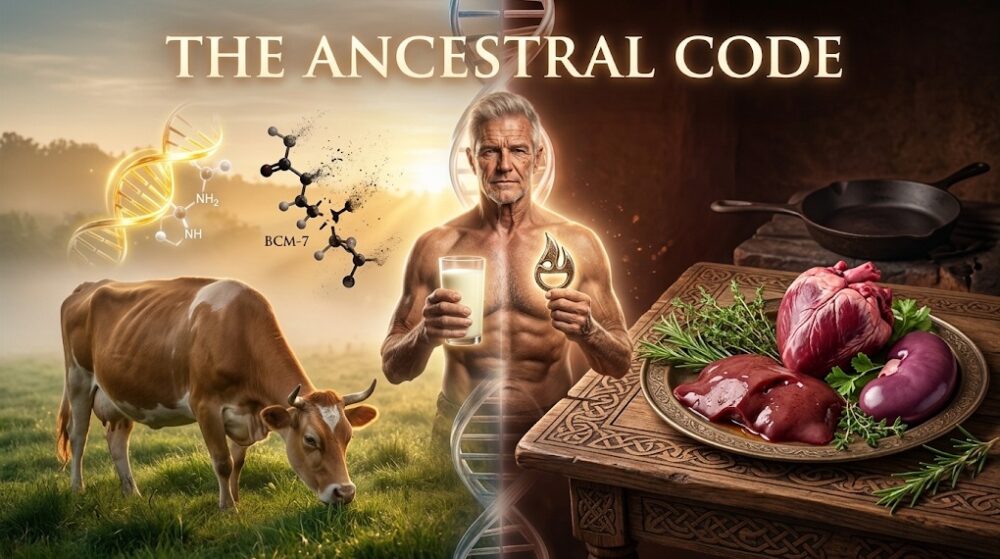
For many, the most accessible source of high-quality protein is milk. But here, the type of protein matters. Milk’s primary protein, casein, comes in two main forms: A1 and A2 beta-casein. The difference lies in a single amino acid at position 67 of the protein chain—A1 has histidine, while A2 has proline. This seemingly tiny variation has major implications.
When A1 beta-casein is digested, it can release a peptide called beta-casomorphin-7 (BCM-7). This peptide has been linked to digestive discomfort for some people. In contrast, the proline in A2 protein prevents the formation of BCM-7, making it easier to digest. Human milk naturally contains A2 protein, which has inspired the development of A2 protein products designed to be gentler on the gut and easier to absorb.
Beyond digestibility, A2 milk offers distinct advantages for active individuals and those seeking to maintain muscle. Studies suggest that A2 milk consumption can help reduce loss of muscle function and improve recovery after exercise-induced muscle damage. It is considered an effective alternative for those who cannot tolerate A1 protein, allowing them to benefit from milk’s muscle-building properties. Additionally, A2 milk has a higher proline content, an amino acid that plays a critical role in protein synthesis and cell growth.
The All-in-One Solution: Fuel Your Strength and Longevity
The science is clear: to build and maintain muscle for a longer, healthier life, you need a consistent supply of high-quality protein, supported by key nutrients that enhance performance and recovery. That’s why we’re excited to point you toward a product that delivers all of this and more in a single, convenient scoop.
MISO STRONG (for men) and SHISO STRONG (for women) are comprehensive daily performance formulas that combine everything discussed in this article:
-
Multi-Source A2 Protein and collagen for complete muscle repair and connective tissue support.
-
Creatine Monohydrate to boost strength and high-intensity power output.
-
Regenerative Organ Meats (liver, kidney, heart) for nutrient-dense ancestral peptides and co-factors.
-
Adaptogens like Ashwagandha and Shatavari to support hormonal balance and healthy stress response.
This is the ultimate all-in-one stack to support muscle growth, recovery, and long-term vitality, helping you take action on the science of healthy aging.
Here’s a video of our son, Bryce, discussing these phenomenal products.
Your Exclusive Offer
Ready to invest in your strength and longevity? You can get the men’s formula MISO STRONG here, the women’s formula SHISO STRONG here, or grab the complete STRONG STACK bundle for you and a partner.

For a limited time, use code TTAC at checkout to receive 25% off your entire order. Don’t wait—take the next step toward a stronger, more vibrant future today.







You didn’t mention eggs. I”m75 and healthy overall, no pharma drugs but lately I’m struggling with some serious inflammation in my shoulders for some unknown reason. Can extra protein help?
I have been flooding Ty and his wife for years. I bought their book way back to help them when they asked for help. I am 73 year old Christian woman. I just wanted to thank them for their honesty and integrity. I am always trying to find what I should do to stay healthy and so listening to their information is so helpful
Thank you