















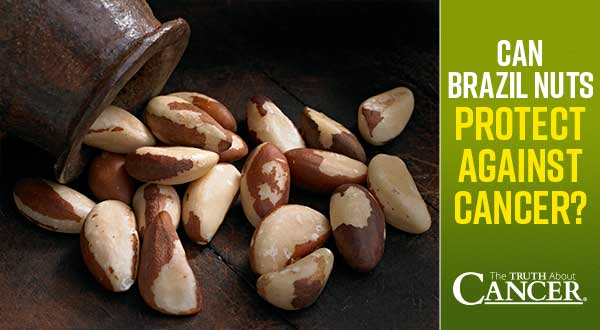
Brazil nuts are tree nuts native to the Amazon rainforest in Brazil, Bolivia, and Peru. Their smooth, buttery texture and nutty flavor are typically enjoyed raw or blanched. These nuts are energy-dense, highly nutritious, and one of the most concentrated dietary sources of the mineral selenium.
Selenium stimulates a variety of antioxidant pathways in the body, reduces inflammation, regulates the immune response, and improves blood flow. Selenium can be one of the most potent sources for reducing inflammation.
Brazil Nuts are a rich source of selenium, which is an essential nutrient linked to cancer prevention. Eating just one Brazil nut daily can significantly lower your risk of cancer. There has been a bounty of research that links selenium with cancer prevention.
It is said that selenium has a protective effect on cancer risk and should be included in the diet in one form or another. Consuming an adequate amount of selenium might also help prevent several types of cancer, including head and neck, liver, breast, esophageal, skin, prostate, colorectal, lung, bladder, and blood cancers.
Sufficient selenium levels in the body are also linked to improved immune function and better outcomes for infections, infertility, pregnancy, heart disease, and mood disorders.
Selenium acts a bit like a mechanic in how it works. It binds protective antioxidants such as glutathione to areas of DNA that need repair. This process reduces the damage to cellular DNA and is especially important for reducing cancer growth, improving the aging process, and preventing many degenerative diseases.
Research has shown that selenium can contribute to natural antioxidant pathways, which stimulate apoptosis (cell death) in human cancer cells. It has also been found to reduce metastasis in skin cancers such as melanoma.
It’s well understood that selenium helps maintain a healthy balance of reactive oxygen species (ROS) and can prevent metabolic complications such as diabetes and cancer. Specifically, low selenium levels are associated with an increased risk of thyroid cancer. This is due to its crucial role in protecting the thyroid gland from damage.
The incorporation of selenium into selenoproteins is essential for optimal thyroid health and for the protective effects of these antioxidant systems throughout the entire body. According to the Food and Drug Administration (FDA), the evidence is strong enough to claim that selenium plays a pivotal role in carcinogenesis.
By supporting DNA repair, selenium can inhibit tumors rising from abnormal cellular growth and development. By removing hazardous agents from the body and detoxifying fatty tissue, selenium supports a healthy immune response to fight infection. Selenium treatment may be an alternative method in the fight against cancer and may even reduce mortality in many individuals struggling with chronic and infectious inflammatory diseases.
In a study of rats fed a diet rich in Brazil nuts, Brazil nuts were found to be as effective as sodium selenite. A parallel comparison with sodium selenite indicated that the selenium in Brazil nut and selenite selenium were equally bioactive. This further supports the finding that consuming Brazil nuts daily can significantly reduce the risk of cancer.
In another study involving 60 people, it was found that eating 2 Brazil nuts per day was as effective as taking selenium supplements for raising selenium levels in the body.
A third study found that eating Brazil nuts containing around 290 mcg of selenium daily for 8 weeks significantly increased the body’s good cholesterol (HDL) levels.
Thanks to selenium, Brazil nuts offer a boatload of health benefits beyond cancer prevention. In addition to roughly 1,000 times the necessary daily intake of selenium, a 1-ounce serving of Brazil nuts (about 8) contains the following nutrients:
- Calories: 187
- Protein: 4.1 grams
- Fat: 19 grams
- Carbs: 3.3 grams
- Fiber: 2.1 grams
- Selenium: 988% of the Reference Daily Intake (RDI)
- Copper: 55% of the RDI
- Magnesium: 33% of the
- Phosphorus: 30% of the RDI
- Manganese: 17% of the RDI
- Zinc: 10.5% of the RDI
- Thiamine: 16% of the RDI
- Vitamin E: 11% of the RDI
Brazil nuts can also help promote healthy cholesterol levels. Thanks to their heart-healthy polyunsaturated fatty acid profile, high fiber content, and mineral-rich composition, Brazil nuts have been shown to reduce total and LDL cholesterol levels. In fact, just one serving of Brazil nuts is sufficient to improve lipid profiles in healthy adults.
In small amounts, Brazil nuts can provide a healthy boost to one of your most important organs — your heart. The unsaturated fats, soluble fiber, antioxidants and phytonutrients present in nuts are all helpful for maintaining a healthy blood pressure, which has a direct positive effect on heart health.
Brazil nuts are naturally high in fat, but most of that fat is the health-boosting unsaturated kind. The unsaturated fats in Brazil nuts can increase your HDL cholesterol levels (good cholesterol).
Brazil nuts are rich in antioxidants, which are substances that help keep your cells healthy. They do this by combating damage caused by reactive molecules called free radicals. Brazil nuts also contain several antioxidants, including selenium, vitamin E, and phenols like gallic acid and ellagic acid.
Selenium increases levels of an enzyme known as glutathione peroxidase (GPx), which helps reduce inflammation and protect your body from oxidative stress — an imbalance between antioxidants and free radicals that can lead to cellular damage.
Low selenium levels have been linked with several mood-related disorders, including anxiety and depression. One study demonstrated that these symptoms decreased after just five weeks of taking 100 mcg of selenium a day (which is equivalent to about 1-1.5 Brazil nuts).
Brazil nuts are one of the unsung health heroes of nutritional wellness. When it comes to boosting your mood, fighting heart disease, or preventing cancer, Brazil nuts may be exactly what your body needs!
Editor’s Note: This article was initially published in 2021 and has been updated in 2026.








8 brazils are far too many, health risk then becomes a factor because of toxicity.
Do Brazil nuts need to be soaked like every other nut – seed to remove anti nutrients??
I buy raw and soak everything then dehydrate and put them in the freezer.
TY,
Judy
Hello. All your YouTube Videos are taken down. Also, Ive Boycotted them unless I have to view. Are you able to post/advertise the video link on Rumble.com or Brighteon.com or BrighteonTV? Even Gab or GabTV? Thank you! Thank you for fighting for life.
I would be curious to know how much of this is bioavailable. It’s not about how much we take in, it’s how much we can keep and utilize.
Animal-based sources are usually more bioavailable.
15 foods that contain selenium
Brazil nuts. Brazil nuts are very high in selenium, with 1 ounce (oz), or 6–8 nuts, containing 544 mcg. …
Tuna. Around 3 oz of cooked, yellowfin tuna contains 92 mcg of selenium, or 167% of the adult DV.
Nice article about cancer and Brazil nuts. So where can we buy them safely ,good quality?
Hi James – I buy “Food to Live” organic Brazil nuts online. They are always fresh. Some other brands have been bland or soft and I had to return them. The Food To Live brand hasn’t disappointed yet. I disagree that 8 a day are too many as one person commented. The nuts are all various sizes, it’s not like you have to eat 8 of the largest size in the bag. I eat 5 to 8 a day and they range in size (from super small to large). I munch on them along with my Acerola Vitamin C powder that I mix with water and ginger juice (or any juice that is not high in sugar or just stick to a good water. like Fiji)…also along with Iodoral Iodine (25mg), plus Vitamin D3, 5,000 IU each day. These supplements combined together have a greater effect than the sum of their separate effects. A powerful combination.
Dear TTAC,
I wish to respond to your assertion that unsaturated fats are ‘the healthy kind’ in paragraph 19 of this brazil nut and selenium benefits email.
Coconut oil is a saturated fat. It has been shown repeatedly to confer numerous health benefits, including even the reversal of Alzheimer’s disease by just consumption of one spoonful oil daily.
Whilst I enjoyed the rest of your article, my enjoyment was marred by this outdated labelling of saturated fats as the food villain.
Fyi, I was raised on butter (another saturated fat), which turned out to be much healthier than the manufactured chemical concoction which is margarine and lowfat spread.
Told on the net that you should not eat Brazil nuts after a certain age , ex after 70 years and on: Is this true? And why?
I should buy Brazil nuts at my local grocery store in Ottawa, but I would not even eat too many.. I will just eat 2 to 6 a day.