















Adaptogens are a key component of the traditional Indian system of medicine known as Ayurveda, which takes a holistic approach to healing that centers on the interconnectedness of mind, body, and soul. While this medicine system has been around for centuries, only fairly recently has it caught the attention of Westerners looking for solutions to the failed system of endless drugs and surgery.
One thing many people don’t know about adaptogens is that they’re good for much more than just keeping stress at bay. Many cancer patients are finding that combining the right types and dosages of adaptogenic herbs under the guidance of a qualified health practitioner is helping them to heal more quickly.
Let’s take a closer look at what they have to offer and how you can benefit from these unique healing herbs.
Disease Treatment and Prevention: The Herbal Way
The primary goal when using adaptogens is to achieve balance throughout the body. Most diseases start as an imbalance that gradually worsens over time. Adaptogens can help to nip these abnormalities in the bud before they have the chance to spiral into full-blown disease.
It’s important to note that adaptogens aren’t unique to Indian Ayurvedic medicine. Adaptogens are used in folk medicine all throughout the Orient, as well as in Russia and Europe. More recently, they’ve become popular in North America.
One reason many people still don’t know about them, however, is that their mode of action stands in stark opposition to the Western model of medicine – the model in which pharmaceutical drugs are used to manage disease symptoms after a disease has already formed.
Western medicine also applies a one-size-fits-all approach centered around symptom management. In contrast, Ayurveda and similar systems tend to individualize herbal applications based on each patient’s specific needs. Herbs tend to assist the body in naturally achieving and maintaining proper balance, which supports the healing process. Pharmaceutical drugs generally only help people to feel better in the short term, and in the process, neglect to bring about an actual cure.1
The point I’m really trying to drive home here is that using natural herbs to restore balance and maintain a disease-free state is at the heart of what it means to live a healthy life. It’s a far better and much more holistic approach than to simply throw chemical drugs at a problem in the hopes of covering it up. And as you’re about to see, adaptogenic herbs are one of the keys to making this happen. Not only for preventing disease, but also for treating it in some of its worst forms – cancer.
What Are Adaptogens?
You might be thinking to yourself: so what makes an herb an adaptogen? It’s pretty simple, really. Adaptogens, as their name suggests, help the body adapt to whatever it might be facing, whether it be chronic stress, fatigue, or a chemical or physical imbalance. They exert particular influence on the body’s adrenal glands, aiding in the proper production and function of vital hormones that help maintain homeostasis throughout the body.
This ends up translating into benefits for all sorts of areas throughout the body, including the immune system, the brain, the cellular system, and vital organs. The amazing power of adaptogens affects the body’s entire physiological essence.
One published study refers to adaptogens as natural substances that enhance the body’s “state of non-specific resistance” in response to stress. As you likely already know, stress is directly linked to a host of modern, chronic illnesses that have reached near-epidemic status. Peer-reviewed research suggests that adaptogens can reduce stress by balancing the neuroendocrine and immune systems. Adaptogens also support the central nervous system in correcting any imbalances in brain chemistry that might lead to anxiety, depression, and other destructive states of mind.2
Adaptogens help to bring balance and equilibrium to the systems of the mind, which in turn directly affect the systems of the body. It all starts with what’s known as the hypothalamic-pituitary-adrenal (HPA) axis, where the body’s central nervous and endocrine systems intersect to create a uniquely human existence.
This complex network of interconnected modulatory systems is what keeps the body in as constant a state of normalcy as possible, despite facing continued challenges both internally and externally. You can think of the HPA axis kind of like a pilot. The pilot’s job it is to not only make sure that the airplane (your body) makes it from point A to point B in one piece, but also that every passenger (your organs, cells, and other necessary systems) has enough food, water, and oxygen to survive along the way.
Adaptogens play a key role in ensuring that the HPA axis is optimally functional at all times, allowing it to tackle any malignant force that might come its way.
Adaptogens and Cancer: Rediscovering Your Life Force
In traditional Ayurveda, there are four therapeutic approaches to disease that make use of adaptogens. Three of them deal with physical health in its various stages (listed in descending order from best to worst), and these include:3
- Prakritisthapani chikitsa: Maintaining optimal health (the healthiest state)
- Rasayana chikitsa: Restoring healthy balance (minor imbalances that need correcting)
- Roganashani chikitsa: Curing a specific disease or ailment (already diseased)
Despite these classifications, the end goal of each remains the same: to bring the body back into optimal alignment, no matter what ails it. The beauty of adaptogens is that they’re capable of doing precisely that, without actually having to exert direct influence on any particular organ or system.
Even in treating something as severe as cancer, adaptogens primarily facilitate a wide array of actions and energetics that the body can perform on its own: stimulating or relaxing, up-regulating or down-regulating, and enhancing or suppressing, as necessary.
Since cancer is our main focus, I’d like to delve into details on how adaptogens are used to target cancer at the molecular level through their balancing properties. Believe it or not, the use of adaptogens as cancer therapeutics dates back to at least the 6th century BC, as the concept is mentioned in the ancient Sanskrit text, the Sushruta Samhita.4
In this work, a man by the name of Sushruta (considered to be the “father of surgery”), wrote about health conditions marked by chronic and systemic inflammation, one of which is cancer. He explained a phenomenon that can only be surmised as cancer tumors, which he observed were causing prolific damage to body tissue and discoordination between the body’s many parts.
Adaptogenic Herbs Used to Fight Cancer
Sushruta further outlined a series of adaptogenic herbs he found helpful in addressing this problem, particularly in relation to cancer. These included:
Andrographis paniculata
Also known as the “white-tailed leg” or “king of bitters,” this annual herbaceous plant is native to India and Sri Lanka and possesses antibiotic, antiviral, anti-parasitic, anti-diabetic, and hepatoprotective (liver-protecting) effects. The adaptogenic properties of this herb have been shown to aid the body’s natural ability to increase tumor necrosis factor and natural killer cell function; prevent the formation of tumor-feeding blood vessels (angiogenesis); and encourage cancer cells to commit suicide (apoptosis).5
Annona atemoya
A hybrid of the sugar apple and the cherimoya (a fruit from South America), this hybrid fruit’s seeds contain powerful anti-angiogenic agents that studies suggest are highly beneficial for immunomodulating anti-cancer therapeutics.6
Phyllanthus niruri
Oral administration of 1,000 milligrams per kilogram of body weight of the pure extract of this coastal weed was shown in one study to help reduce the number and size of cancer tumors in cancerous mice. This same herb possesses hepatoprotective, antiviral, antibacterial, analgesic, antispasmodic, and antidiabetic properties that help optimize immune function.7
Piper longum
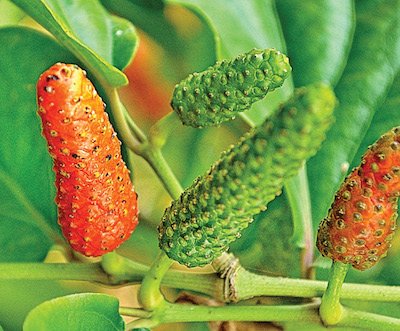
This spicy Indian pepper contains a bioactive compound called piperlongumine (PL), which research shows is active against many types of cancer, including prostate, breast, colon, lung, brain, gastrointestinal tract, blood, and skin cancers. Once ingested, PL becomes a substance called hPL that signals the body to silence a gene that promotes tumor growth and survival.8
Podophyllum hexandrum
Also known as the “foot leaf,” this endangered fruit contains numerous biochemical compounds with immunostimulatory, anti-mitotic, anti-fungal, and anti-viral properties. This plant is also powerfully anti-cancer, containing key constituents such as podophyllotoxin, from which several FDA-approved chemotherapeutic drugs are derived.9
Tinospora cordifolia
The active constituents in this herbaceous vine demonstrate a unique ability to upregulate the body’s natural ability to fight tumors and tumor-associated macrophages. These same constituents are also powerfully antineoplastic, meaning they have the ability to ward off human glioblastoma, which represents one of the most aggressive forms of human cancer.10
Semecarpus anacardium
A close cousin to the cashew, this nut has proven itself to be a powerful weapon in the fight against breast cancer.11 It’s also been shown effective against many other types of cancer, as well as supportive of liver health.12
Vitis vinifera
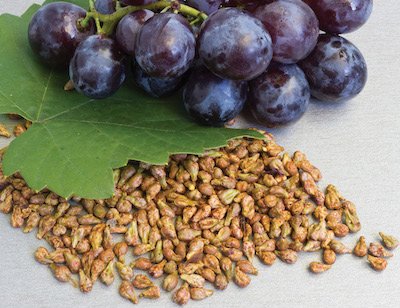
Also known as grape seed extract, this potent adaptogen is a chemoprotective agent rich in anticancer phytonutrients. Multiple clinical and pre-clinical trials suggest that compounds in grape seed extract like resveratrol are highly effective in supporting the body’s ability to inhibit certain cancer cell lines from multiplying and spreading.13
Baliospermum montanum
Also known as the red psychic nut or wild castor, this low-growing shrub is both a powerful antioxidant and a clinically proven anti-cancer medicine. One study found that plant extracts are highly toxic to colon cancer cells.14 Another revealed that Baliospermum montanum helps to keep prostate cancer cells from spreading while simultaneously killing them.15
Madhuca longifolia
The seeds of this tropical Indian tree show incredible promise against an array of human cancers. They contain sapogenins, triterpenoids, saponins, steroids, flavonoids, and glycosides that studies suggest help the body to inhibit the growth of cancer cells.16
Pandanus odoratissimus
The roots and leaves of this palm-like shrub contain compounds that scientists have identified as having unique anti-cancer properties. Tests conducted on brine shrimp revealed that extracts of Pandanus odoratissimus are highly toxic against non-small cell lung cancer cells, peripheral blood mononuclear cells, and lung fibroblast cells – working alongside the body’s natural defense systems to stop these cells from dividing and reproducing, ultimately killing them.17
Pterospermum acerifolium
Also known as the karnikara tree, this evergreen shrub is a pharmacological treasure. It contains active molecules that help fight ulcers, inflammation, pain, and damaging free radicals. Extracts from the plant’s flowers have long been used in Ayurveda to treat cancer. Its constituents cause DNA fragmentation in cancer cells, ultimately leading to their death.18
Raphanus sativus
You’ll recognize this one better if I simply refer to it as a Thai radish. This cruciferous vegetable contains a number of pharmacological and therapeutic properties that are antagonistic to cancer. Extracts of this root food have been shown to trigger growth arrest and apoptosis in various human cancer cell lines.19 Raphanus sativus is further able to inhibit the expression of certain genes and proteins specifically associated with breast cancer.20
Barleria prionitis
Known in many areas as the porcupine flower, the juice of this leafy plant is rich in antioxidants that are highly effective at preventing cellular damage throughout the body. Free radicals, as you may well know, are a common pathway through which cancer and other serious health conditions are able to develop and spread.21
Prosopis cineraria
This flowering tree from the Middle East has been shown to be powerfully effective at treating Ehrlich cell carcinoma. Researchers from India published a cohort study revealing that extracts from the leaf and bark of this mystical botanical exhibit strong cytotoxic potential against tumor cells.22
Amorphophallus campanulatus
Also known as elephant foot yam, this potato-like tuber was shown in one study to help prevent the formation of aberrant crypt foci (ACF) in the colon and rectum.23 ACF are abnormal glands that develop prior to polyps and are strongly associated with the development of cancer. Elephant foot yams have also been shown to help fight liver cancer.24
Oroxylum indicum
Despite its unusual name, the broken bones tree won’t damage your skeletal structure, but it just might tell any lingering cancer cells inside your body to self-destruct.25 Extracts from the plant may also help in the fight against breast cancer, as its constituents have been shown in the scientific literature to target ER-negative breast cancer cells, while at the same time protecting healthy cells from damage.26
Basella rubra
Native to the East Indies, this tropical vine produces edible spinach-like stems and leaves that are highly nourishing to the body, which is always a good thing for keeping cancer at bay. This plant also produces a fruit rich in phenolic and flavonoid compounds, which have been shown to help protect against many types of cancer, including cervical carcinoma27 and colon cancer.28
Flacourtia ramontchi (indica)
Also known as the Madagascar or Indian plum, this flowering plant has long been used in Ayurveda to treat chronic inflammation. More recently, it’s gained recognition as a powerful weapon against colon cancer, as in vitro tests show that just 24 hours’ worth of treatment with Flacourtia ramontchi extract significantly reduced cancer cell viability while simultaneously bringing about cancer cell apoptosis.29
Moringa oleifera
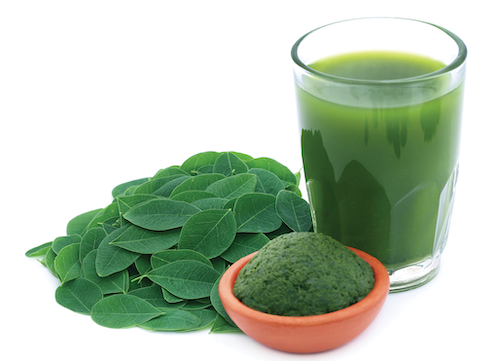
The “miracle tree,” moringa oleifera as it’s often called, has received quite a bit of attention in recent years as a trendy new “superfood” with anti-inflammatory, antioxidant, and tissue-protective properties. Like the other herbs listed here, it possesses anti-cancer properties. Its leaves and bark, in particular, contain bioactive compounds like eugenol and D-allose that contribute to the coordinated destruction of cancer cells throughout the body.30
Ficus benghalensis
You’ve probably seen the more domesticated version of this robust evergreen plant inside offices and homes, since it’s a common houseplant. But what you probably didn’t know is that the banyan tree, as it’s called in India, produces bark that’s loaded with anti-cancer compounds like pelargonidin that studies show possess anti-angiogenic properties. These compounds have been shown useful in addressing neovascular conditions as well as tumors.31
Curcuma domestica (longa)
If you’ve been hanging around The Truth About Cancer for a while, you’ll immediately recognize this plant as the incredible and awe-inspiring turmeric. One of the most well-studied adaptogenic herbs, turmeric is the cream of the crop when it comes to anti-cancer botanicals. Its high levels of curcumin and other active constituents have been shown to help stop many different types of cancer cells from spreading throughout the body. Curcumin has also proven itself capable of stopping tumors from growing and developing their own blood supplies.32
Allium sativum
One of the most popular herbs in the world, garlic is a favorite among foodies. It’s also incredibly therapeutic, offering an extensive array of benefits, including cancer remediation. A review of the science on garlic found that this bulbous “rose” is packed to the brim with organosulfur compounds that disrupt almost every process involved in the development, growth, and spread of cancer.33
Calotropis gigantea
Commonly referred to as the crown flower or “giant milkweed,” this unusual shrub from Southeast Asia is a major natural source of latex. It’s also a source of natural anti-tumor compounds that studies suggest may be effective against certain types of carcinomas.34
Datura metel
With a name like “devil’s trumpet,” this shrub-like annual might not seem all that benevolent. But evidence suggests that extracts taken from the plant contain unique healing compounds with pronounced anti-cancer properties. Cell models in which extracts of Datura metel were applied to human cancers revealed that this powerful herb is capable of supporting the body in stopping cancer cells from spreading, as well as instructing them to commit cell suicide.35
Hygrophila spinosa
This unique medicinal plant from the tropics is rich in terpenoids, alkaloids, flavonoids, and other remarkable compounds that contribute to its many health-promoting properties. It’s long been used in Ayurveda to treat all sorts of health conditions, including cancer. Extracts from the plant’s root have been shown to suppress tumors associated with both carcinomas and sarcomas.36
Juniperus indica
The black juniper plant, which natively grows high in the Himalayan Mountains, is similarly endowed with an array of impressive phytochemical compounds that act as potent antimicrobials. Studies show that these same beneficial constituents are also effective at helping the body to destroy cancer cells.37
Nigella sativa
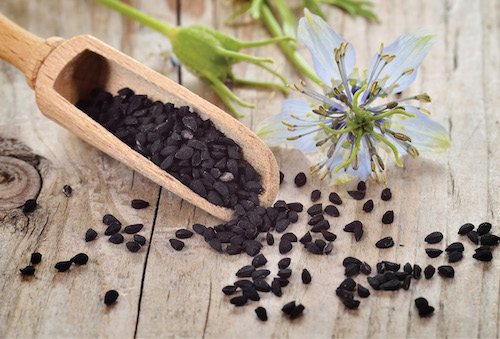
More commonly known as black cumin or black seed, this medicinal plant is a treasure trove of anti-cancer nutrients. Studies suggest that extracts from this herb are highly cytotoxic, antimutagenic, and antimetastatic. This means they’re not only toxic to cancer cells but also help keep them from spreading and forming new tumors elsewhere in the body.38
Picrorhiza kurroa
Another medicinal plant from the Nepalese Himalayas, this perennial herb is one of the oldest adaptogens known to man. Research suggests that it’s a safe and highly effective remedy for treating cancer, as its phytochemical lineup disrupts the deviant signaling pathways that often lead to cancer. Picrorhiza kurroa is also said to work exceptionally well with other treatment approaches that aim to eradicate cancer from the body.39
Rubia cordifolia
This perennial climbing plant is perhaps most well known as a purifier of the blood and a “mover” of lymph. But it’s also an incredible inhibitor of cancer, with compounds such as dichloromethane showing potential in preventing cell lines of human leukemia and human histiolytic lymphoma from growing, spreading, and forming malignant tumors.40
Other adaptogenic herbs that we’ve come to find out (since Sushruta’s day) are similarly equipped as anti-cancer powerhouses, including ashwagandha, rhodiola rosea, bacopa monnieri, astragalus, melissa officinalis (lemon balm), ginseng, bilberry, ginkgo biloba, holy basil, rosemary, lion’s mane mushroom, schisandra, and phyllanthus emblica (Indian gooseberry).
Are You Ready to Adapt?
While there are quite literally thousands of other herbs with unique anti-cancer properties, the herbs mentioned above rank among the “elite” class of adaptogenic herbs best suited for non-specific, body-wide support against cancer. Remember, adaptogens start by supporting the body’s own anti-cancer systems. They flip the switches at the master command center, so to speak, so the body can tackle the cancer threat all on its own. If and when this is unsuccessful, many of these same adaptogens can adapt themselves, exerting direct anti-tumor effects as needed.
When combined with other immunomodulating herbs that directly stimulate the body’s immune system, these same adaptogenic herbs can create a unique synergy that further “tunes” the body to respond most effectively to whatever disease threat comes its way. That includes not only physical threats but also the kind of mental and emotional weight that can leave you feeling drained, flat, or like the color has drained out of everything.
That’s what adaptogens are all about, after all. Their purpose is to help the body adapt to whatever problematic scenario it might be facing — whether it’s simply feeling a little under the weather, struggling to find your footing on a gray Tuesday, or dealing with advanced-stage cancer. Whether you’re already healthy, slightly imbalanced, chronically ill, or just feeling “off” and can’t quite explain why, adaptogenic herbs are there to help your body keep everything running as smoothly as possible… in the most optimal state.
Editor’s Note: This article was initially published in 2022 and has been updated in 2026.
Article Summary
Adaptogens are a key component of the traditional Indian system of medicine known as Ayurveda.
The primary goal when using adaptogens is to achieve balance throughout the body.
Adaptogens help the body adapt to whatever it might be facing, whether it be chronic stress, fatigue, or a chemical or physical imbalance.
Adaptogens start by supporting the body’s own anti-cancer systems.








Is there a way to take adaptogens for preventative health? Where would you even find these in the U.S.? I am 60 yrs old and I don’t feel as good as I used to and I would like to be as healthy as I could possibly be.
Thanks a lot for your incredible work and much love to you all!
Please where can we get mostly of the adaptors?
Blessings
I would love to know as well..
https://shop.thetruthaboutcancer.com/pages/products I am pretty sure you can find some of them here.
Thanks you for the very interesting article. I have been doing herbs for years. My question, some of these I have not heard of and wouldn’t know where to find them. Any suggestions?
Amazon sells the powder. Google moringa and you’ll find who else sells it in powder or capsules
I am a 74 year old disabled lady that has been fighting cancer since 1976 and have survived 11 bouts of cancer and several chemo n radiation ordeals and i also have the BRCA mutated genes is there anything that i might be able to take that would at least slow it down.
Thank you for the great article! I would like to add -Reishi mushroom(Ganoderma) is also an outstanding adaptogen with healing and anti-cancer properties.
Would be nice to know where to get these. Never heard of most of them
Thanks for your great article. Very interested!
I have been fighting kidney cancer since 2014 ( right kidney removed ).
Right adrenal gland removed in 2018. Left adrenal gland removed in 2023. Partial left kidney refracted in 2024. Currently have small lesion on bottom of left kidney that has been monitored since Jan. 2025. This is unfortunately not operable. Would be very interested in what is available to fight this off.
Dialysis thoughts are destroying my mind at this point.
Thanks for any suggestions you can give.
https://www.youtube.com/watch?v=2cQH5V2pToE might be of interest.
If the link doesn’t work a search on youtube for dr john campbell+kidney cancer+mushrooms
should find it